
AI & Language Immersion: How Technology Personalizes Learning — and Where It Stops
Updated: Sep 25
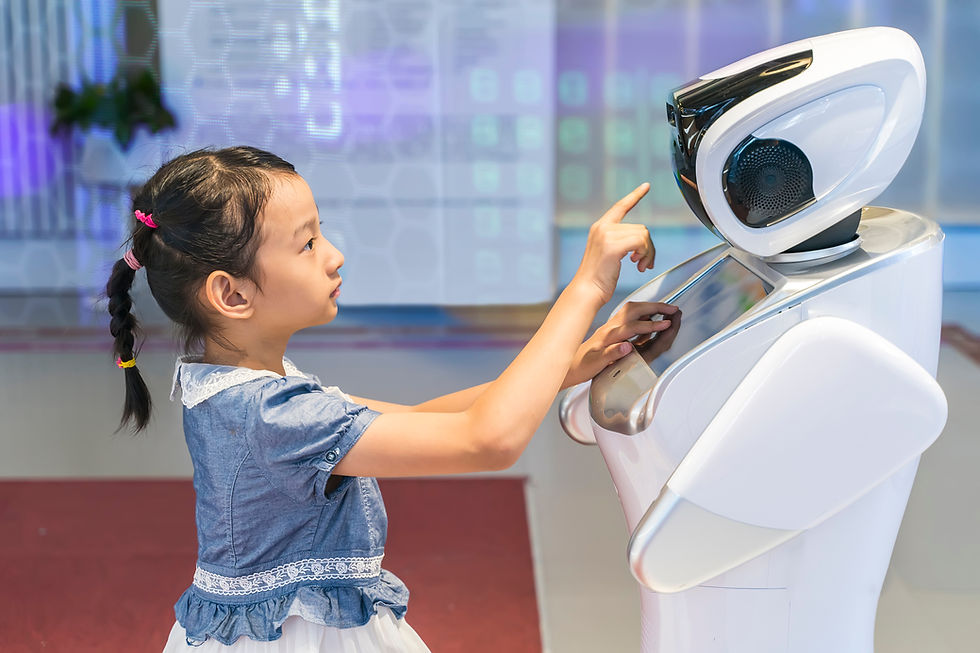
Artificial Intelligence has reshaped the way English speakers learn languages. From adaptive apps to AI-powered tutors and instant pronunciation feedback, technology promises faster, smarter, and more personalized learning than ever before.
Yet despite these advances, many learners struggle to reach real fluency. They can understand grammar rules, recognize vocabulary, and even complete advanced exercises — but still feel blocked in real conversations.
This raises a crucial question: Can AI truly personalize language learning on its own, or does real fluency still require immersion?
How AI is transforming language learning
AI-driven tools have made language learning more accessible than ever. Modern platforms analyze learner progress in real time, adapt lesson difficulty, and provide instant feedback on pronunciation and grammar.
For busy English speakers, these tools offer flexibility and structure. Many learners start their journey with language learning apps and tools which are excellent for building vocabulary and confidence.
Where AI excels and why learners love it
AI is consistent, patient, and always available. Learners can practice without pressure, repeat exercises endlessly, and study whenever they have time. This is particularly helpful in the early stages of learning, when speaking with real people can feel intimidating. AI removes that barrier — but only temporarily.
The limits of AI when it comes to real fluency

Language is not just information. It is interaction, emotion, and culture. AI conversations remain predictable. There is no social pressure, no emotional feedback, and no real need to adapt. Learners are not challenged to negotiate meaning, react spontaneously, or think in the language under real conditions. This is why many learners plateau and begin looking for the next step.
Why immersion is the most natural form of personalization
Immersion offers something no algorithm can replicate: real human interaction.
In a full immersion environment, learning adapts naturally to the learner’s personality, pace, and objectives. Language is learned through daily life, not isolated exercises.
This is why full language immersion programs remain the most effective way to reach fluency.
How human immersion complements technology

"Technology prepares learners. Immersion transforms them."
Many learners use apps before immersion, then rely on real-life interaction to consolidate and activate everything they have learned. This natural progression explains why immersion delivers faster, deeper results than digital tools alone.
How Influent Language Immersion brings personalization to life
Influent offers a personalized language immersion experience where learners live and learn with a native teacher.
Language is used throughout the day — during lessons, meals, and everyday activities — allowing learners to develop reflexes, confidence, and natural fluency.
Technology supports, immersion transforms
Artificial intelligence has revolutionised language learning by making it more accessible and flexible. It is an excellent support tool. But fluency does not come from technology alone. It comes from experience, human interaction and total immersion in the language.
"AI helps you learn. Immersion helps you speak."
Written by Ioana Regis
Booking manager at Influent Language Immersion
For over 15 years, Ioana has worked in language stays, language learning and travel, helping young people, professionals and families achieve their language-learning goals.
Fluent in four languages, Ioana believes that learning a new language is one of the most rewarding ways to connect with the world. Her own experiences of studying and working abroad have given her a deeper understanding of both the challenges and the joys of language immersion. They have also helped her better understand her clients’ needs and provide them with personalised, reassuring and practical advice.


This is such a thoughtful piece on the limits of AI in language learning! You hit the nail on the head: while AI is incredible for personalized vocabulary drills and instant feedback, it can't truly replicate the spontaneous, emotional nuance of real-world immersion.
It’s almost like the difference between following a CircuitMaker PCB design tutorial and actually etching your own board in a lab—the digital guide gives you the theory and steps, but the real-world practice is where you learn to handle unexpected hitches. AI is a fantastic foundation, but human interaction is definitely what turns knowledge into actual fluency!